[Hướng dẫn & Cách thực hiện]
[Hướng dẫn & Cách thực hiện]
Đọc Tài Liệu Amorfs Đầu Tiên Của Bạn
Đọc Tài Liệu Amorfs Đầu Tiên Của Bạn
Đọc Tài Liệu Amorfs Đầu Tiên Của Bạn
13 thg 12, 2025

Định dạng Amorfs là gì?
Amorfs là một định dạng dữ liệu có thể đọc được bằng con người, nằm giữa YAML và RDF - được thiết kế để cả con người có thể chỉnh sửa và máy móc có thể xử lý.
Hãy nghĩ về nó như là "mã nguồn" của dữ liệu của bạn mà bất kỳ ai cũng có thể đọc và hiểu.
Hai ký hiệu kỳ diệu
Amorfs chỉ sử dụng hai loại mối quan hệ để đại diện cho bất kỳ dữ liệu nào:
Ký hiệu | Ý nghĩa | Ví dụ sử dụng |
|---|---|---|
- | "có một" (thuộc tính) | Một người - số điện thoại |
[ ] | "mà" (nhận diện) | số điện thoại [0401062720] |
Chỉ có vậy. Với chỉ hai ký hiệu này, bạn có thể đại diện cho thông tin vô cùng phức tạp.
Đọc ví dụ đầu tiên của bạn
Hãy giải mã đoạn mã Amorfs đơn giản này:
person [Tim
- phone [0421042723]
- email [tim@example.com]
]
Cách đọc nó:
person [Tim → "Một người mà tên là 'Tim'"
- phone [0421042723] → "có một số điện thoại mà là '0421042723'"
- email [tim@example.com] → "có một email mà là 'tim@example.com'"
Bằng tiếng Anh đơn giản: "Một người tên là Tim có một số điện thoại 042104273 và có một email tim@example.com"
Nhiều biểu thức: Sức mạnh của |
Dấu | | có nghĩa là "HOẶC" - những cách khác nhau để diễn đạt cùng một khái niệm:
state [NSW | New South Wales]
Điều này nói: "Một bang mà là 'NSW' HOẶC 'New South Wales'"
Cả hai biểu thức đều chỉ đến cùng một khái niệm cơ bản. Hệ thống biết rằng chúng là cùng một thứ.
Ví dụ đa ngôn ngữ:
country [Australia | Australie | オーストラリア]
Cùng một khái niệm, ba ngôn ngữ. Điểm đẹp là khái niệm đồ thị vẫn giữ nguyên bất kể ngôn ngữ.
Nhúng: Các khái niệm trong các khái niệm
Các dấu ngoặc vuông có thể nhúng ở bất kỳ độ sâu nào:
payment_card [
- number [4532 1234 5678 9010]
- expiry [12/25]
- type [Visa]
- billing_address [
- street [123 Main St]
- city [Sydney]
- postcode [2000]
]
]
Mỗi cấp độ nhúng đại diện cho một khái niệm mà có mối quan hệ "có một" với các khái niệm con.
Bài tập đọc thực tế
Hãy đọc một ví dụ thực tế:
university [Oxford
- fellow [C. S. Lewis
- birth_date [19 Nov 1898]
- college [Magdalen College
- address [
- city [Oxford]
- postcode [OX1 4AU]
- country [UK]
]
]
]
]
Phân tích nó:
Đại học Oxford có một đồng sự mà là C. S. Lewis
C. S. Lewis có một ngày sinh mà là 19 Nov 1898
C. S. Lewis có một trường đại học mà là Magdalen College
Magdalen College có một địa chỉ
Địa chỉ đó có một thành phố mà là Oxford
Địa chỉ đó có một mã bưu điện mà là OX1 4AU
Địa chỉ đó có một quốc gia mà là UK
Phần đẹp: Tự tổ chức
Khi bạn cung cấp các biểu thức thay thế sau, Amorfs tự động hợp nhất các khái niệm:
Trước:
state [NSW]
state [New South Wales]
(Hai khái niệm riêng biệt cho bang)
Sau khi bạn cung cấp cả hai biểu thức:
state [NSW | New South Wales]
(Một khái niệm thống nhất)
Tất cả các tham chiếu trước đó tự động cập nhật. Hệ thống tự tổ chức dựa trên ngữ nghĩa mà bạn cung cấp.
Những điều cần nhớ
- có nghĩa là mối quan hệ "có một"
[ ] chứa những gì cái gì "là"
| tách biệt nhiều biểu thức của cùng một khái niệm
Nhúng ghi lại cấu trúc và ngữ cảnh
Định dạng vừa có thể đọc được bằng con người vừa có thể phân tích bằng máy móc
Thử nghiệm chính mình
Đây là một cấu trúc đơn giản để thực hành đọc:
book [The Lord of the Rings
- author [J.R.R. Tolkien | Tolkien]
- published [1954]
- genre [Fantasy]
]
Bạn có thể đọc to điều này như các mối quan hệ không?
Kế tiếp: "Viết cấu trúc Amorfs đầu tiên của bạn" →
Hãy nhớ: Bạn không học một ngôn ngữ lập trình. Bạn đang học một cách mới để suy nghĩ về dữ liệu.
Định dạng Amorfs là gì?
Amorfs là một định dạng dữ liệu có thể đọc được bằng con người, nằm giữa YAML và RDF - được thiết kế để cả con người có thể chỉnh sửa và máy móc có thể xử lý.
Hãy nghĩ về nó như là "mã nguồn" của dữ liệu của bạn mà bất kỳ ai cũng có thể đọc và hiểu.
Hai ký hiệu kỳ diệu
Amorfs chỉ sử dụng hai loại mối quan hệ để đại diện cho bất kỳ dữ liệu nào:
Ký hiệu | Ý nghĩa | Ví dụ sử dụng |
|---|---|---|
- | "có một" (thuộc tính) | Một người - số điện thoại |
[ ] | "mà" (nhận diện) | số điện thoại [0401062720] |
Chỉ có vậy. Với chỉ hai ký hiệu này, bạn có thể đại diện cho thông tin vô cùng phức tạp.
Đọc ví dụ đầu tiên của bạn
Hãy giải mã đoạn mã Amorfs đơn giản này:
person [Tim
- phone [0421042723]
- email [tim@example.com]
]
Cách đọc nó:
person [Tim → "Một người mà tên là 'Tim'"
- phone [0421042723] → "có một số điện thoại mà là '0421042723'"
- email [tim@example.com] → "có một email mà là 'tim@example.com'"
Bằng tiếng Anh đơn giản: "Một người tên là Tim có một số điện thoại 042104273 và có một email tim@example.com"
Nhiều biểu thức: Sức mạnh của |
Dấu | | có nghĩa là "HOẶC" - những cách khác nhau để diễn đạt cùng một khái niệm:
state [NSW | New South Wales]
Điều này nói: "Một bang mà là 'NSW' HOẶC 'New South Wales'"
Cả hai biểu thức đều chỉ đến cùng một khái niệm cơ bản. Hệ thống biết rằng chúng là cùng một thứ.
Ví dụ đa ngôn ngữ:
country [Australia | Australie | オーストラリア]
Cùng một khái niệm, ba ngôn ngữ. Điểm đẹp là khái niệm đồ thị vẫn giữ nguyên bất kể ngôn ngữ.
Nhúng: Các khái niệm trong các khái niệm
Các dấu ngoặc vuông có thể nhúng ở bất kỳ độ sâu nào:
payment_card [
- number [4532 1234 5678 9010]
- expiry [12/25]
- type [Visa]
- billing_address [
- street [123 Main St]
- city [Sydney]
- postcode [2000]
]
]
Mỗi cấp độ nhúng đại diện cho một khái niệm mà có mối quan hệ "có một" với các khái niệm con.
Bài tập đọc thực tế
Hãy đọc một ví dụ thực tế:
university [Oxford
- fellow [C. S. Lewis
- birth_date [19 Nov 1898]
- college [Magdalen College
- address [
- city [Oxford]
- postcode [OX1 4AU]
- country [UK]
]
]
]
]
Phân tích nó:
Đại học Oxford có một đồng sự mà là C. S. Lewis
C. S. Lewis có một ngày sinh mà là 19 Nov 1898
C. S. Lewis có một trường đại học mà là Magdalen College
Magdalen College có một địa chỉ
Địa chỉ đó có một thành phố mà là Oxford
Địa chỉ đó có một mã bưu điện mà là OX1 4AU
Địa chỉ đó có một quốc gia mà là UK
Phần đẹp: Tự tổ chức
Khi bạn cung cấp các biểu thức thay thế sau, Amorfs tự động hợp nhất các khái niệm:
Trước:
state [NSW]
state [New South Wales]
(Hai khái niệm riêng biệt cho bang)
Sau khi bạn cung cấp cả hai biểu thức:
state [NSW | New South Wales]
(Một khái niệm thống nhất)
Tất cả các tham chiếu trước đó tự động cập nhật. Hệ thống tự tổ chức dựa trên ngữ nghĩa mà bạn cung cấp.
Những điều cần nhớ
- có nghĩa là mối quan hệ "có một"
[ ] chứa những gì cái gì "là"
| tách biệt nhiều biểu thức của cùng một khái niệm
Nhúng ghi lại cấu trúc và ngữ cảnh
Định dạng vừa có thể đọc được bằng con người vừa có thể phân tích bằng máy móc
Thử nghiệm chính mình
Đây là một cấu trúc đơn giản để thực hành đọc:
book [The Lord of the Rings
- author [J.R.R. Tolkien | Tolkien]
- published [1954]
- genre [Fantasy]
]
Bạn có thể đọc to điều này như các mối quan hệ không?
Kế tiếp: "Viết cấu trúc Amorfs đầu tiên của bạn" →
Hãy nhớ: Bạn không học một ngôn ngữ lập trình. Bạn đang học một cách mới để suy nghĩ về dữ liệu.
Chia sẻ đến
Bài viết mới nhất
Xem tất cả
[Câu chuyện người dùng]
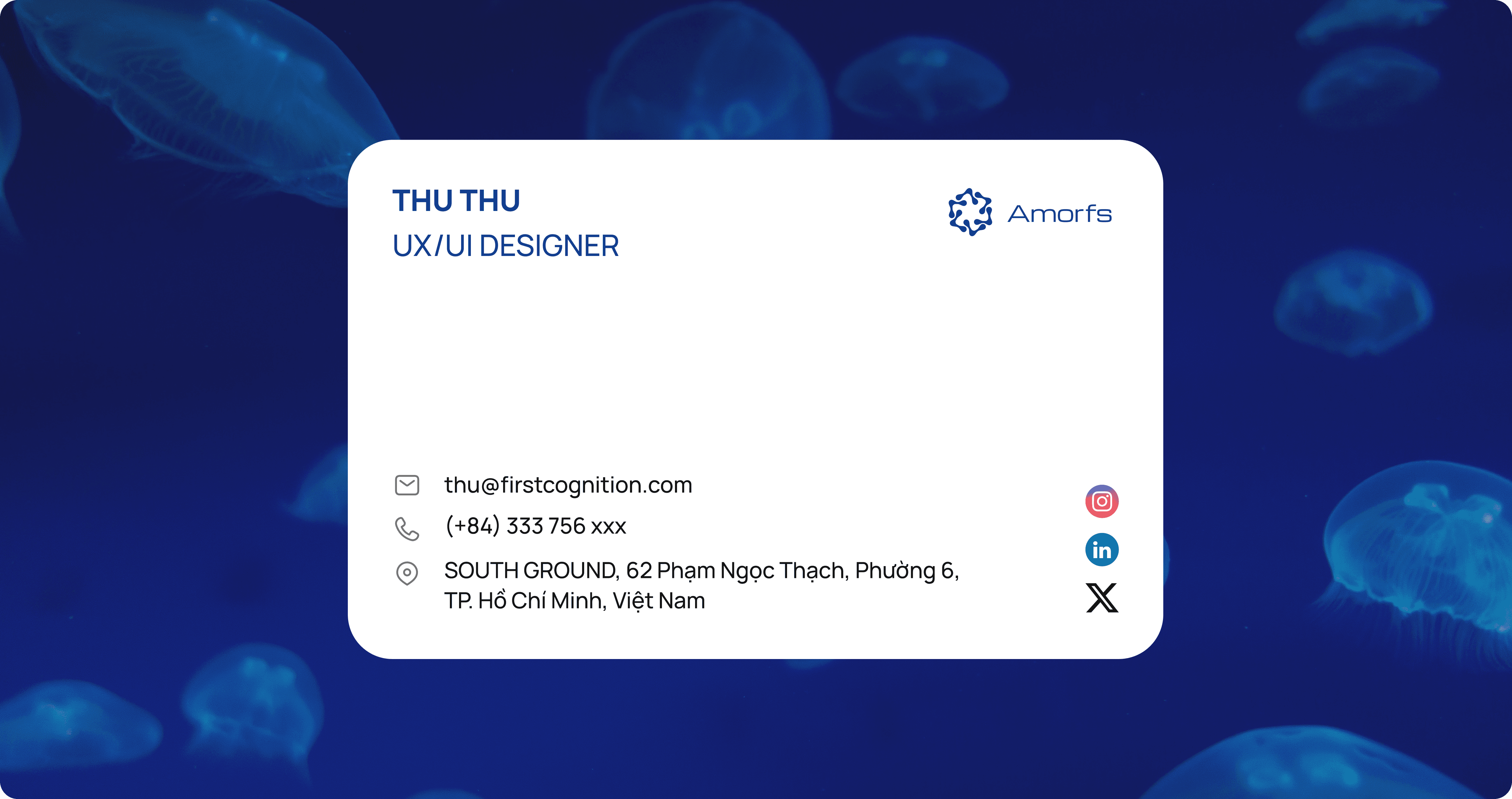
Kinh nghiệm của nhà thiết kế - 👩💻 Cách tôi biến một thiết kế Figma thành thứ mà tôi thực sự sử dụng
14 thg 1, 2026
[Câu chuyện người dùng]
Kinh nghiệm của nhà thiết kế - 👩💻 Cách tôi biến một thiết kế Figma thành thứ mà tôi thực sự sử dụng
14 thg 1, 2026
[Câu chuyện người dùng]
Kinh nghiệm của nhà thiết kế - 👩💻 Cách tôi biến một thiết kế Figma thành thứ mà tôi thực sự sử dụng
14 thg 1, 2026
[Câu chuyện người dùng]
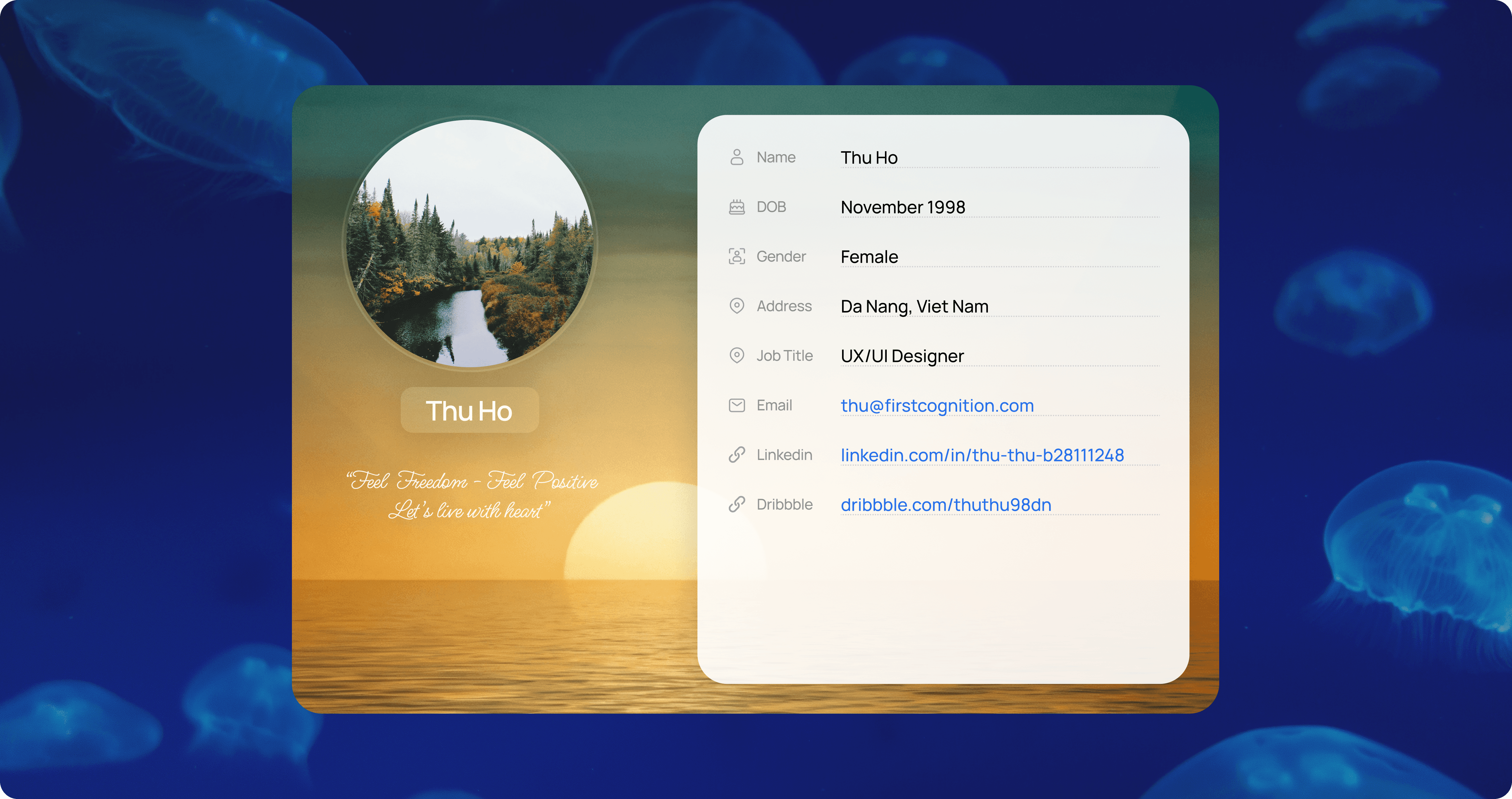
Kinh nghiệm của Nhà thiết kế - 👩💻 Từ Figma đến một hồ sơ sẵn sàng để ra mắt
14 thg 1, 2026
[Câu chuyện người dùng]
Kinh nghiệm của Nhà thiết kế - 👩💻 Từ Figma đến một hồ sơ sẵn sàng để ra mắt
14 thg 1, 2026
[Câu chuyện người dùng]
Kinh nghiệm của Nhà thiết kế - 👩💻 Từ Figma đến một hồ sơ sẵn sàng để ra mắt
14 thg 1, 2026
[Hướng dẫn & Cách thực hiện]
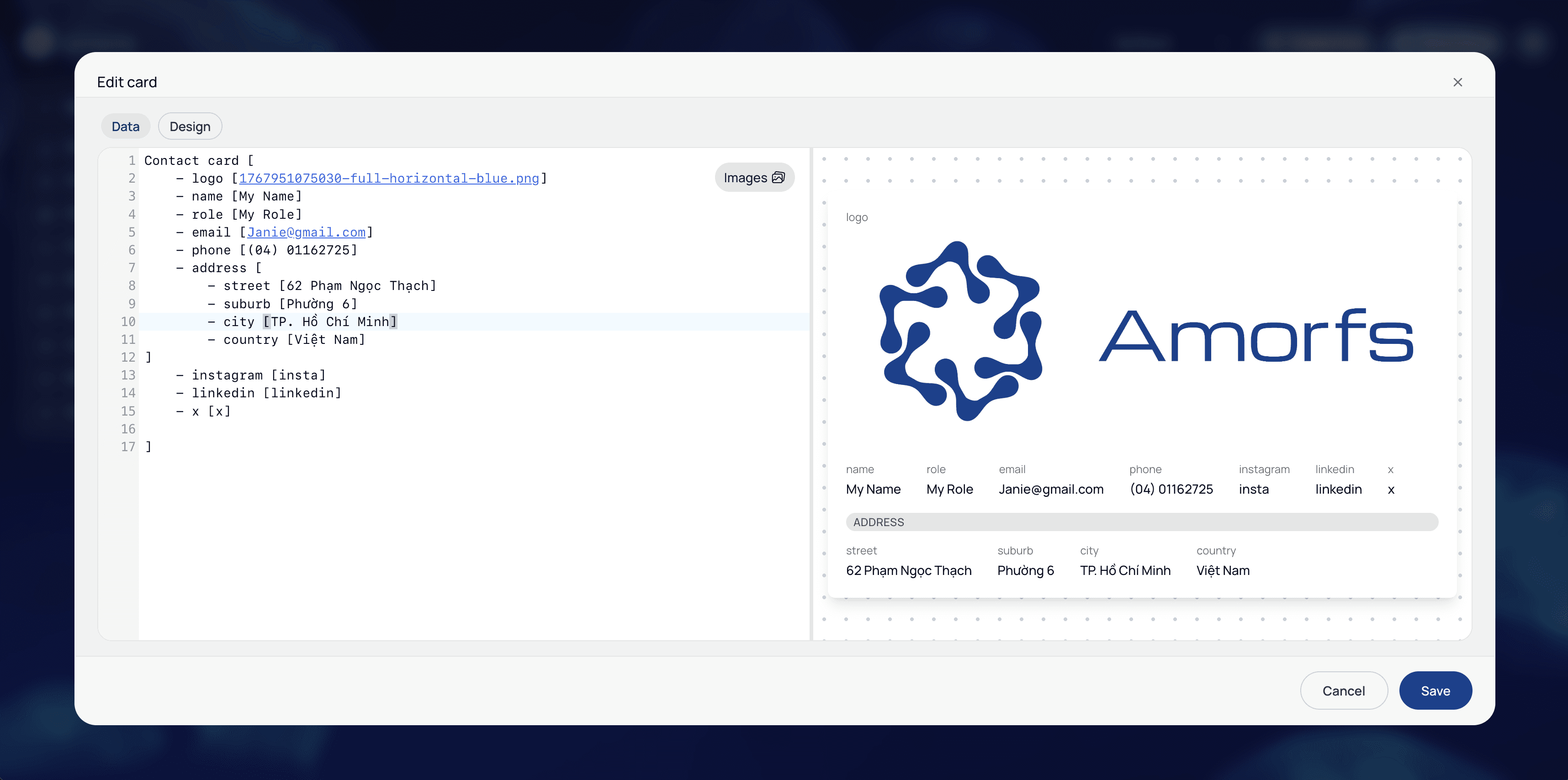
Cách Tạo Thẻ Mới trong Amorfs Studio
8 thg 1, 2026
[Hướng dẫn & Cách thực hiện]
Cách Tạo Thẻ Mới trong Amorfs Studio
8 thg 1, 2026
[Hướng dẫn & Cách thực hiện]
Cách Tạo Thẻ Mới trong Amorfs Studio
8 thg 1, 2026


SẢN PHẨM
Mở Rộng Amorfs
DIỄN ĐÀN
Bạn không muốn bỏ lỡ điều gì sao?
Nhận cập nhật hàng tuần về các bài viết, sự kiện và mẹo mới nhất ngay trong hộp thư của bạn.
" height="47.8243px" id="Fi98aqQOS" width="48.001px"/><path d="M 20.148 22.45 L 21.494 15.115 L 13.655 15.115 L 13.655 12.521 C 13.655 8.646 15.176 7.155 19.111 7.155 C 20.333 7.155 21.317 7.185 21.883 7.244 L 21.883 0.596 C 20.81 0.298 18.186 0 16.666 0 C 8.646 0 4.949 3.786 4.949 11.955 L 4.949 15.115 L 0 15.115 L 0 22.45 L 4.949 22.45 L 4.949 38.409 C 6.805 38.869 8.747 39.115 10.746 39.115 C 11.73 39.115 12.701 39.055 13.654 38.94 L 13.654 22.45 L 20.147 22.45 Z" fill="rgb(255, 255, 255)" height="39.11523px" id="o10gvlFLv" transform="translate(13.253 8.885)" width="21.883200000000002px"/></g></svg>)
SẢN PHẨM
Mở Rộng Amorfs
DIỄN ĐÀN
Bạn không muốn bỏ lỡ điều gì sao?
Nhận cập nhật hàng tuần về các bài viết, sự kiện và mẹo mới nhất ngay trong hộp thư của bạn.
SẢN PHẨM
Mở Rộng Amorfs
DIỄN ĐÀN
Bạn không muốn bỏ lỡ điều gì sao?
Nhận cập nhật hàng tuần về các bài viết, sự kiện và mẹo mới nhất ngay trong hộp thư của bạn.
SẢN PHẨM
Mở Rộng Amorfs
DIỄN ĐÀN
Bạn không muốn bỏ lỡ điều gì sao?
Nhận cập nhật hàng tuần về các bài viết, sự kiện và mẹo mới nhất ngay trong hộp thư của bạn.