[Hướng dẫn & Cách thực hiện]
[Hướng dẫn & Cách thực hiện]
Xây Dựng Mối Quan Hệ: Hiệp Hội Trong Amorfs
Xây Dựng Mối Quan Hệ: Hiệp Hội Trong Amorfs
Xây Dựng Mối Quan Hệ: Hiệp Hội Trong Amorfs
13 thg 12, 2025
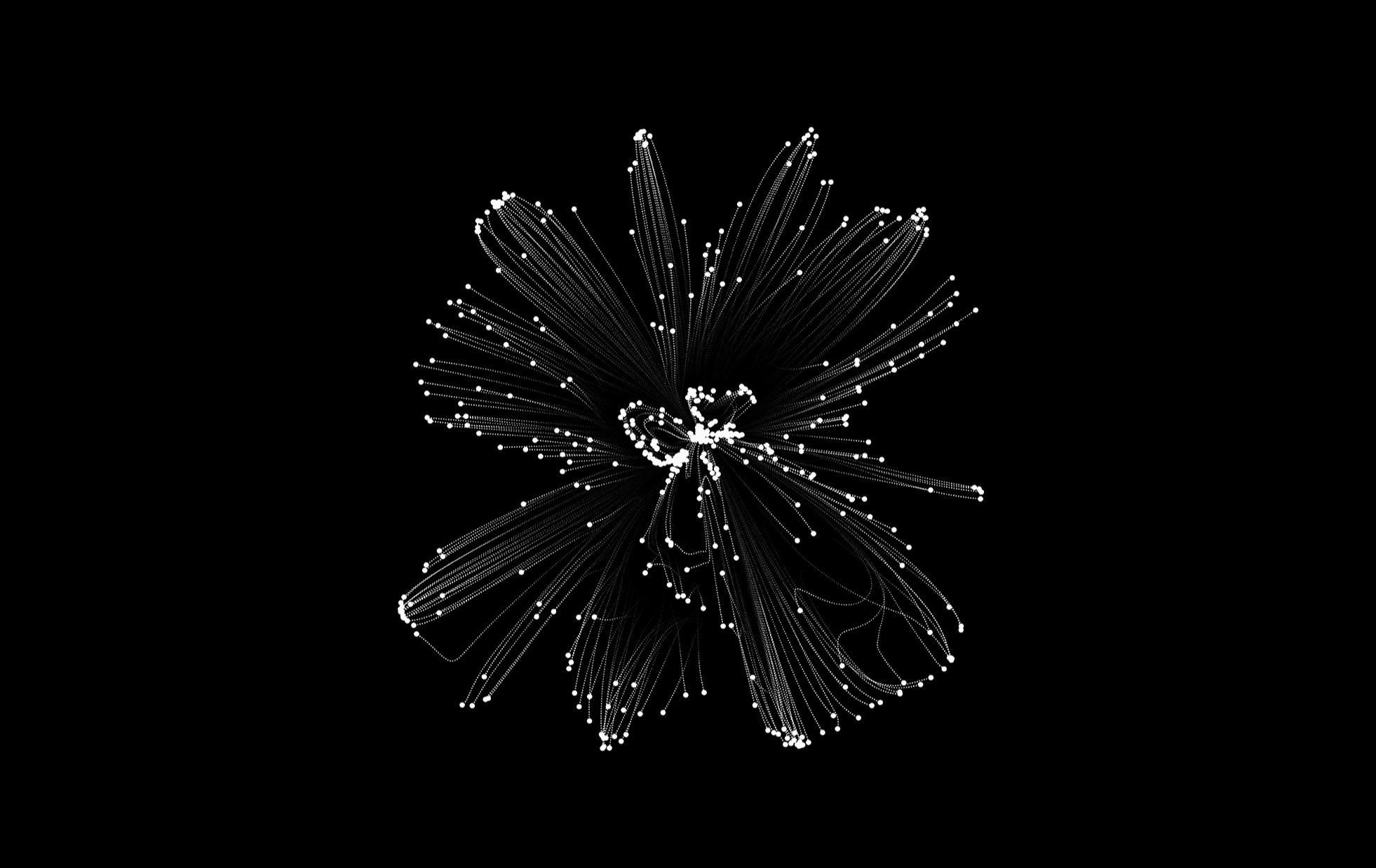
Vượt Qua Dữ Liệu Đơn Giản
Hầu hết các định dạng dữ liệu có thể lưu trữ thực tế: tên, ngày, số. Nhưng thực tế liên quan đến mối quan hệ.
Ai làm việc Ở ĐÂU?
Chuyện gì đã xảy ra KHI NÀO?
Sản phẩm nào đến TỪ nhà cung cấp nào?
Amorfs biến mối quan hệ thành công dân lớp một của dữ liệu của bạn.
Mối Quan Hệ Là Gì?
Một mối quan hệ là một kết nối giữa các khái niệm. Trong Amorfs, mọi mối quan hệ đều tuân theo cùng một mẫu mà não bộ của chúng ta sử dụng:
Chủ ngữ - Động từ - Tân ngữ
Giống như trong ngôn ngữ tự nhiên:
"Sarah làm việc cho Acme Corp"
"Gói hàng được gửi từ Kho A"
"Hóa đơn này có hiệu lực đến ngày 31 tháng 12"
Hai Mối Quan Hệ Cơ Bản
Khi mô hình dữ liệu Amorfs hỗ trợ bất kỳ động từ quan hệ nào, định dạng dữ liệu có thể đại diện cho dữ liệu truyền thống chỉ với hai:
1. "có một" (ký hiệu -)
Cho thấy một kết nối hoặc thuộc tính:
người [Sarah
- nhà tuyển dụng [Acme Corp]
- điện thoại [555-1234]
- văn phòng [Tòa nhà 5]
]
Đọc là: "Sarah có một nhà tuyển dụng là Acme Corp, có một điện thoại là 555-1234..."
2. "mà là" (dấu ngoặc [ ])
Cho thấy một cái gì đó thực sự là gì:
mã nhân viên [E-12345]
trạng thái [đang hoạt động]
Đọc là: "Một mã nhân viên mà là E-12345, một trạng thái mà là đang hoạt động"
Sức Mạnh Đệ Quy: Thay Đổi Trò Chơi
Đây là nơi Amorfs trở nên cách mạng. Mỗi mối quan hệ tự nó là một khái niệm, có nghĩa là các mối quan hệ có thể tham chiếu đến các mối quan hệ khác.
Ví Dụ Đơn Giản: Chuỗi Cung Ứng
lô hàng [
- nguồn gốc [Kho A]
- đích đến [Cửa hàng B]
- lô hàng trước [
- nguồn gốc [Nhà máy C]
- đích đến [Kho A]
- lô hàng trước [
- nguồn gốc [Nhà cung cấp D]
- đích đến [Nhà máy C]
]
]
]
Mỗi lô hàng mang theo ngữ cảnh của lô hàng trước. Chuỗi tạo ra một dấu vết nguồn gốc hoàn chỉnh.
Cách Tiếp Cận Truyền Thống (Những Gì Chúng Ta Đã Mất):
lô hàng_1: nguồn_gốc=Nhà_Cung_Cấp_D, đích=Nhà_Máy_C
lô hàng_2: nguồn_gốc=Nhà_Máy_C, đích=Kho_A
lô hàng_3: nguồn_gốc=Kho_A, đích=Cửa_Hàng_B
Vấn đề: Các kết nối tồn tại trong đầu bạn, không phải trong dữ liệu. Để tái tạo chuỗi, bạn cần logic tách biệt.
Cách Tiếp Cận Amorfs (Những Gì Chúng Ta Đạt Được):
Toàn bộ ngữ cảnh chảy về phía trước qua dữ liệu. Mỗi mối quan hệ mang theo toàn bộ lịch sử.
Ví Dụ Thực Tế: Lịch Sử Phiên Bản Tài Liệu
tài liệu [Đề xuất_v3.docx
- tác giả [Sarah]
- sửa đổi [2024-12-13]
- phiên bản trước [Đề xuất_v2.docx
- tác giả [John]
- sửa đổi [2024-12-10]
- phiên bản trước [Đề xuất_v1.docx
- tác giả [Sarah]
- sửa đổi [2024-12-05]
]
]
]
Tài liệu hiện tại chứa toàn bộ lịch sử của sự phát triển của nó.
Các Mối Quan Hệ Như Những Khái Niệm Hạng Nhất
Bởi vì các mối quan hệ là các khái niệm, chúng có thể:
1. Có các biểu thức riêng
nhà tuyển dụng [Mining Corp
- nhân viên [Sarah]
- ngày bắt đầu [2020-01-15]
]
Quan hệ nhà tuyển dụng Mining Corp này là một khái niệm có thể được tham chiếu ở nơi khác.
2. Có siêu dữ liệu
giao dịch [
- số tiền [127.50]
- nhà cung cấp [Acme Corp]
] {~0.95 nguồn:@statement}
Giao dịch tự nó có các thuộc tính: mức độ tin cậy, nguồn.
3. Là chủ đề hoặc tân ngữ của các mối quan hệ khác
quốc gia [Úc
- tiểu bang [NSW
- thành phố [Sydney
- mã bưu điện [2000]
]
]
]
Mỗi mối quan hệ kế thừa tất cả các mối quan hệ trước đó, vì vậy khái niệm mã bưu điện 2000 mang theo một tiểu bang, thành phố và huyện.
Mối Quan Hệ Nội Tại và Mối Quan Hệ Ngữ Cảnh
Amorfs phân biệt hai loại mối quan hệ:
Nội Tại (+ ký hiệu) - "Luôn Có"
Các thuộc tính vốn có và bất biến:
người [Sarah Johnson
+ ngày sinh [1985-03-20]
+ quốc tịch [Úc]
]
Ngày sinh và quốc tịch là nội tại - chúng định nghĩa ai đó là Sarah một cách cơ bản.
Mối Quan Hệ Ngữ Cảnh (- ký hiệu) - "Có Thể Có"
Các thuộc tính phụ thuộc vào hoàn cảnh:
người [Sarah Johnson
- nhà tuyển dụng [Acme Corp]
- cư trú [Sydney]
- điện thoại [555-1234]
]
Nhà tuyển dụng, nơi cư trú và điện thoại là ngữ cảnh - chúng có thể thay đổi theo thời gian.
Tại Sao Điều Này Quan Trọng
Khi hợp nhất dữ liệu từ nhiều nguồn:
Các mối quan hệ nội tại giúp xác định xem hai khái niệm có phải là cùng một người không. Chúng liên kết khái niệm biểu thức.
Các mối quan hệ ngữ cảnh có thể khác nhau và cần giải quyết mâu thuẫn. Chúng liên kết mối quan hệ cha mẹ, mở rộng chuỗi ngữ cảnh.
Cấu Trúc Lồng Ghép: Chi Tiết Vô Hạn
Bạn có thể lồng ghép sâu bao nhiêu cần thiết:
tổ chức [Acme Corp
- bộ phận [Kỹ Thuật
- nhóm [Backend
- lập trình viên [Sarah
- dự án [API Redesign
- nhiệm vụ [Database Migration
- tiểu nhiệm vụ [Schema Update
- trạng thái [Đang Tiến Hành]
]
]
]
]
]
]
]
Mỗi cấp độ thêm ngữ cảnh và độ cụ thể hơn.
Cái Đẹp: Ngữ Cảnh Tự Chứa
Không giống như các cơ sở dữ liệu truyền thống, nơi bạn cần nhiều bảng và các thao tác JOIN:
Truyền Thống:
Bảng: Nhân Viên
Bảng: Bộ Phận
Bảng: Dự Án
Bảng: Nhiệm Vụ
Cần truy vấn để kết nối chúng
Amorfs:
nhân viên [Sarah
- bộ phận [Kỹ Thuật
- quản lý [Bob]
- ngân sách [500000]
]
- dự án [API Redesign
- hạn chót [2025-03-01]
- trạng thái [Hoạt Động]
]
]
Tất cả ngữ cảnh di chuyển cùng nhau. Cắt và dán đoạn này ở bất kỳ đâu, và nó vẫn có nghĩa.
Ví Dụ Thực Tế: Hóa Đơn Với Ngữ Cảnh Đầy Đủ
hóa đơn [
- số [INV-2024-001]
- ngày [2024-12-13]
- số tiền [1250.00
- tiền tệ [USD]
]
- nhà cung cấp [Tech Supplies Inc.
- địa chỉ [
- phố [123 Business Ave]
- thành phố [San Francisco]
]
- liên hệ [
- email [orders@techsupplies.com]
- điện thoại [+1-555-0199]
]
]
- mục [
- mục [Máy tính xách tay
- số lượng [2]
- giá đơn vị [500.00]
]
- mục [Chuột
- số lượng [5]
- giá đơn vị [50.00]
]
]
- điều khoản thanh toán [Net 30]
]
Tất cả những gì một AI hoặc hệ thống kế toán cần để hiểu hóa đơn này đều đi theo nó.
Thông Điệp Chính
Các mối quan hệ tuân theo mẫu Chủ Ngữ-Động Từ-Tân Ngữ
Các mối quan hệ là các khái niệm - chúng có thể được tham chiếu và lồng ghép
Đệ quy cho phép ngữ cảnh vô hạn - lịch sử và nguồn gốc chảy về phía trước
Nội Tại (+) so với Ngữ Cảnh (-) giúp với chất lượng dữ liệu và hợp nhất
Các đoạn tự chứa duy trì ý nghĩa khi được sao chép bất cứ đâu
Thử Thách Này
Hãy nghĩ về lịch sử việc làm của bạn. Bạn sẽ thể hiện nó trong Amorfs như thế nào khi cho thấy:
Nhà tuyển dụng hiện tại
Các nhà tuyển dụng trước đây
Ngày tháng và vai trò
Cấu trúc bộ phận
Nhớ rằng: Mỗi công việc là ngữ cảnh (-), nhưng thứ tự được bảo tồn thông qua lồng ghép.
Kế tiếp: "Viết Cấu Trúc Amorfs Đầu Tiên Của Bạn" →
Mối quan hệ là những gì làm cho dữ liệu có ý nghĩa. Amorfs làm cho các mối quan hệ trở nên rõ ràng.
Vượt Qua Dữ Liệu Đơn Giản
Hầu hết các định dạng dữ liệu có thể lưu trữ thực tế: tên, ngày, số. Nhưng thực tế liên quan đến mối quan hệ.
Ai làm việc Ở ĐÂU?
Chuyện gì đã xảy ra KHI NÀO?
Sản phẩm nào đến TỪ nhà cung cấp nào?
Amorfs biến mối quan hệ thành công dân lớp một của dữ liệu của bạn.
Mối Quan Hệ Là Gì?
Một mối quan hệ là một kết nối giữa các khái niệm. Trong Amorfs, mọi mối quan hệ đều tuân theo cùng một mẫu mà não bộ của chúng ta sử dụng:
Chủ ngữ - Động từ - Tân ngữ
Giống như trong ngôn ngữ tự nhiên:
"Sarah làm việc cho Acme Corp"
"Gói hàng được gửi từ Kho A"
"Hóa đơn này có hiệu lực đến ngày 31 tháng 12"
Hai Mối Quan Hệ Cơ Bản
Khi mô hình dữ liệu Amorfs hỗ trợ bất kỳ động từ quan hệ nào, định dạng dữ liệu có thể đại diện cho dữ liệu truyền thống chỉ với hai:
1. "có một" (ký hiệu -)
Cho thấy một kết nối hoặc thuộc tính:
người [Sarah
- nhà tuyển dụng [Acme Corp]
- điện thoại [555-1234]
- văn phòng [Tòa nhà 5]
]
Đọc là: "Sarah có một nhà tuyển dụng là Acme Corp, có một điện thoại là 555-1234..."
2. "mà là" (dấu ngoặc [ ])
Cho thấy một cái gì đó thực sự là gì:
mã nhân viên [E-12345]
trạng thái [đang hoạt động]
Đọc là: "Một mã nhân viên mà là E-12345, một trạng thái mà là đang hoạt động"
Sức Mạnh Đệ Quy: Thay Đổi Trò Chơi
Đây là nơi Amorfs trở nên cách mạng. Mỗi mối quan hệ tự nó là một khái niệm, có nghĩa là các mối quan hệ có thể tham chiếu đến các mối quan hệ khác.
Ví Dụ Đơn Giản: Chuỗi Cung Ứng
lô hàng [
- nguồn gốc [Kho A]
- đích đến [Cửa hàng B]
- lô hàng trước [
- nguồn gốc [Nhà máy C]
- đích đến [Kho A]
- lô hàng trước [
- nguồn gốc [Nhà cung cấp D]
- đích đến [Nhà máy C]
]
]
]
Mỗi lô hàng mang theo ngữ cảnh của lô hàng trước. Chuỗi tạo ra một dấu vết nguồn gốc hoàn chỉnh.
Cách Tiếp Cận Truyền Thống (Những Gì Chúng Ta Đã Mất):
lô hàng_1: nguồn_gốc=Nhà_Cung_Cấp_D, đích=Nhà_Máy_C
lô hàng_2: nguồn_gốc=Nhà_Máy_C, đích=Kho_A
lô hàng_3: nguồn_gốc=Kho_A, đích=Cửa_Hàng_B
Vấn đề: Các kết nối tồn tại trong đầu bạn, không phải trong dữ liệu. Để tái tạo chuỗi, bạn cần logic tách biệt.
Cách Tiếp Cận Amorfs (Những Gì Chúng Ta Đạt Được):
Toàn bộ ngữ cảnh chảy về phía trước qua dữ liệu. Mỗi mối quan hệ mang theo toàn bộ lịch sử.
Ví Dụ Thực Tế: Lịch Sử Phiên Bản Tài Liệu
tài liệu [Đề xuất_v3.docx
- tác giả [Sarah]
- sửa đổi [2024-12-13]
- phiên bản trước [Đề xuất_v2.docx
- tác giả [John]
- sửa đổi [2024-12-10]
- phiên bản trước [Đề xuất_v1.docx
- tác giả [Sarah]
- sửa đổi [2024-12-05]
]
]
]
Tài liệu hiện tại chứa toàn bộ lịch sử của sự phát triển của nó.
Các Mối Quan Hệ Như Những Khái Niệm Hạng Nhất
Bởi vì các mối quan hệ là các khái niệm, chúng có thể:
1. Có các biểu thức riêng
nhà tuyển dụng [Mining Corp
- nhân viên [Sarah]
- ngày bắt đầu [2020-01-15]
]
Quan hệ nhà tuyển dụng Mining Corp này là một khái niệm có thể được tham chiếu ở nơi khác.
2. Có siêu dữ liệu
giao dịch [
- số tiền [127.50]
- nhà cung cấp [Acme Corp]
] {~0.95 nguồn:@statement}
Giao dịch tự nó có các thuộc tính: mức độ tin cậy, nguồn.
3. Là chủ đề hoặc tân ngữ của các mối quan hệ khác
quốc gia [Úc
- tiểu bang [NSW
- thành phố [Sydney
- mã bưu điện [2000]
]
]
]
Mỗi mối quan hệ kế thừa tất cả các mối quan hệ trước đó, vì vậy khái niệm mã bưu điện 2000 mang theo một tiểu bang, thành phố và huyện.
Mối Quan Hệ Nội Tại và Mối Quan Hệ Ngữ Cảnh
Amorfs phân biệt hai loại mối quan hệ:
Nội Tại (+ ký hiệu) - "Luôn Có"
Các thuộc tính vốn có và bất biến:
người [Sarah Johnson
+ ngày sinh [1985-03-20]
+ quốc tịch [Úc]
]
Ngày sinh và quốc tịch là nội tại - chúng định nghĩa ai đó là Sarah một cách cơ bản.
Mối Quan Hệ Ngữ Cảnh (- ký hiệu) - "Có Thể Có"
Các thuộc tính phụ thuộc vào hoàn cảnh:
người [Sarah Johnson
- nhà tuyển dụng [Acme Corp]
- cư trú [Sydney]
- điện thoại [555-1234]
]
Nhà tuyển dụng, nơi cư trú và điện thoại là ngữ cảnh - chúng có thể thay đổi theo thời gian.
Tại Sao Điều Này Quan Trọng
Khi hợp nhất dữ liệu từ nhiều nguồn:
Các mối quan hệ nội tại giúp xác định xem hai khái niệm có phải là cùng một người không. Chúng liên kết khái niệm biểu thức.
Các mối quan hệ ngữ cảnh có thể khác nhau và cần giải quyết mâu thuẫn. Chúng liên kết mối quan hệ cha mẹ, mở rộng chuỗi ngữ cảnh.
Cấu Trúc Lồng Ghép: Chi Tiết Vô Hạn
Bạn có thể lồng ghép sâu bao nhiêu cần thiết:
tổ chức [Acme Corp
- bộ phận [Kỹ Thuật
- nhóm [Backend
- lập trình viên [Sarah
- dự án [API Redesign
- nhiệm vụ [Database Migration
- tiểu nhiệm vụ [Schema Update
- trạng thái [Đang Tiến Hành]
]
]
]
]
]
]
]
Mỗi cấp độ thêm ngữ cảnh và độ cụ thể hơn.
Cái Đẹp: Ngữ Cảnh Tự Chứa
Không giống như các cơ sở dữ liệu truyền thống, nơi bạn cần nhiều bảng và các thao tác JOIN:
Truyền Thống:
Bảng: Nhân Viên
Bảng: Bộ Phận
Bảng: Dự Án
Bảng: Nhiệm Vụ
Cần truy vấn để kết nối chúng
Amorfs:
nhân viên [Sarah
- bộ phận [Kỹ Thuật
- quản lý [Bob]
- ngân sách [500000]
]
- dự án [API Redesign
- hạn chót [2025-03-01]
- trạng thái [Hoạt Động]
]
]
Tất cả ngữ cảnh di chuyển cùng nhau. Cắt và dán đoạn này ở bất kỳ đâu, và nó vẫn có nghĩa.
Ví Dụ Thực Tế: Hóa Đơn Với Ngữ Cảnh Đầy Đủ
hóa đơn [
- số [INV-2024-001]
- ngày [2024-12-13]
- số tiền [1250.00
- tiền tệ [USD]
]
- nhà cung cấp [Tech Supplies Inc.
- địa chỉ [
- phố [123 Business Ave]
- thành phố [San Francisco]
]
- liên hệ [
- email [orders@techsupplies.com]
- điện thoại [+1-555-0199]
]
]
- mục [
- mục [Máy tính xách tay
- số lượng [2]
- giá đơn vị [500.00]
]
- mục [Chuột
- số lượng [5]
- giá đơn vị [50.00]
]
]
- điều khoản thanh toán [Net 30]
]
Tất cả những gì một AI hoặc hệ thống kế toán cần để hiểu hóa đơn này đều đi theo nó.
Thông Điệp Chính
Các mối quan hệ tuân theo mẫu Chủ Ngữ-Động Từ-Tân Ngữ
Các mối quan hệ là các khái niệm - chúng có thể được tham chiếu và lồng ghép
Đệ quy cho phép ngữ cảnh vô hạn - lịch sử và nguồn gốc chảy về phía trước
Nội Tại (+) so với Ngữ Cảnh (-) giúp với chất lượng dữ liệu và hợp nhất
Các đoạn tự chứa duy trì ý nghĩa khi được sao chép bất cứ đâu
Thử Thách Này
Hãy nghĩ về lịch sử việc làm của bạn. Bạn sẽ thể hiện nó trong Amorfs như thế nào khi cho thấy:
Nhà tuyển dụng hiện tại
Các nhà tuyển dụng trước đây
Ngày tháng và vai trò
Cấu trúc bộ phận
Nhớ rằng: Mỗi công việc là ngữ cảnh (-), nhưng thứ tự được bảo tồn thông qua lồng ghép.
Kế tiếp: "Viết Cấu Trúc Amorfs Đầu Tiên Của Bạn" →
Mối quan hệ là những gì làm cho dữ liệu có ý nghĩa. Amorfs làm cho các mối quan hệ trở nên rõ ràng.
Chia sẻ đến
Bài viết mới nhất
Xem tất cả
[Câu chuyện người dùng]
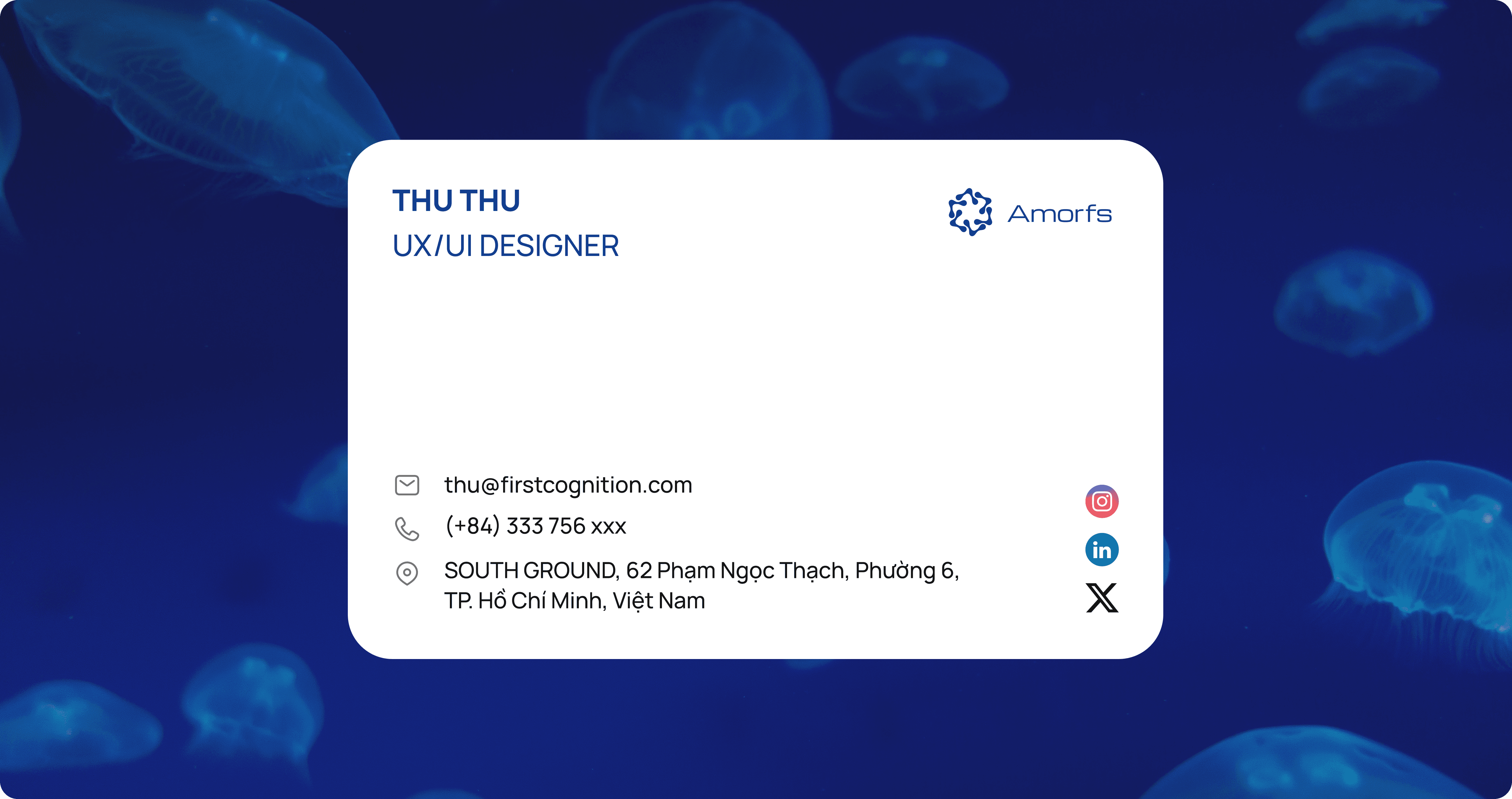
Kinh nghiệm của nhà thiết kế - 👩💻 Cách tôi biến một thiết kế Figma thành thứ mà tôi thực sự sử dụng
14 thg 1, 2026
[Câu chuyện người dùng]
Kinh nghiệm của nhà thiết kế - 👩💻 Cách tôi biến một thiết kế Figma thành thứ mà tôi thực sự sử dụng
14 thg 1, 2026
[Câu chuyện người dùng]
Kinh nghiệm của nhà thiết kế - 👩💻 Cách tôi biến một thiết kế Figma thành thứ mà tôi thực sự sử dụng
14 thg 1, 2026
[Câu chuyện người dùng]
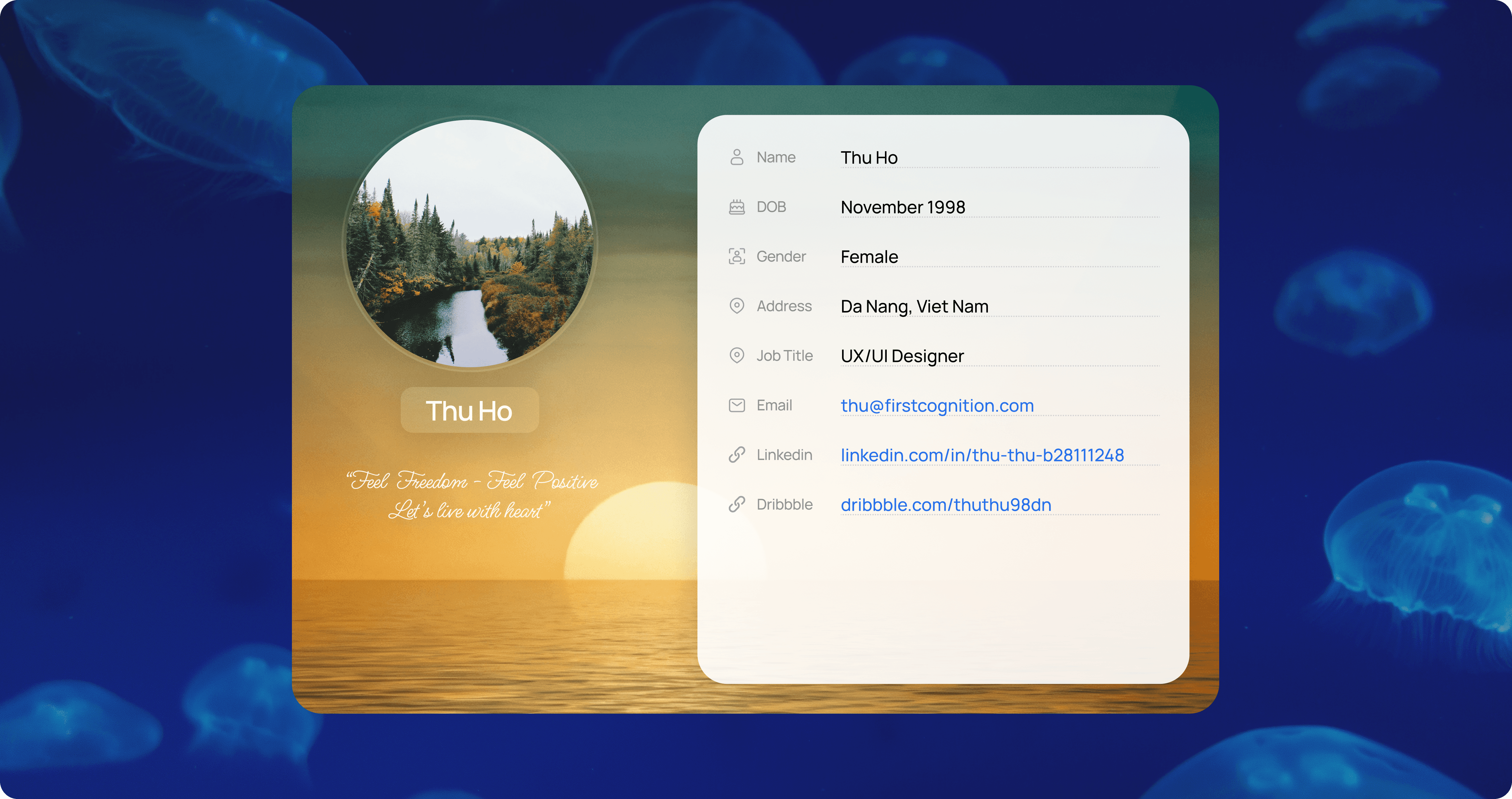
Kinh nghiệm của Nhà thiết kế - 👩💻 Từ Figma đến một hồ sơ sẵn sàng để ra mắt
14 thg 1, 2026
[Câu chuyện người dùng]
Kinh nghiệm của Nhà thiết kế - 👩💻 Từ Figma đến một hồ sơ sẵn sàng để ra mắt
14 thg 1, 2026
[Câu chuyện người dùng]
Kinh nghiệm của Nhà thiết kế - 👩💻 Từ Figma đến một hồ sơ sẵn sàng để ra mắt
14 thg 1, 2026
[Hướng dẫn & Cách thực hiện]
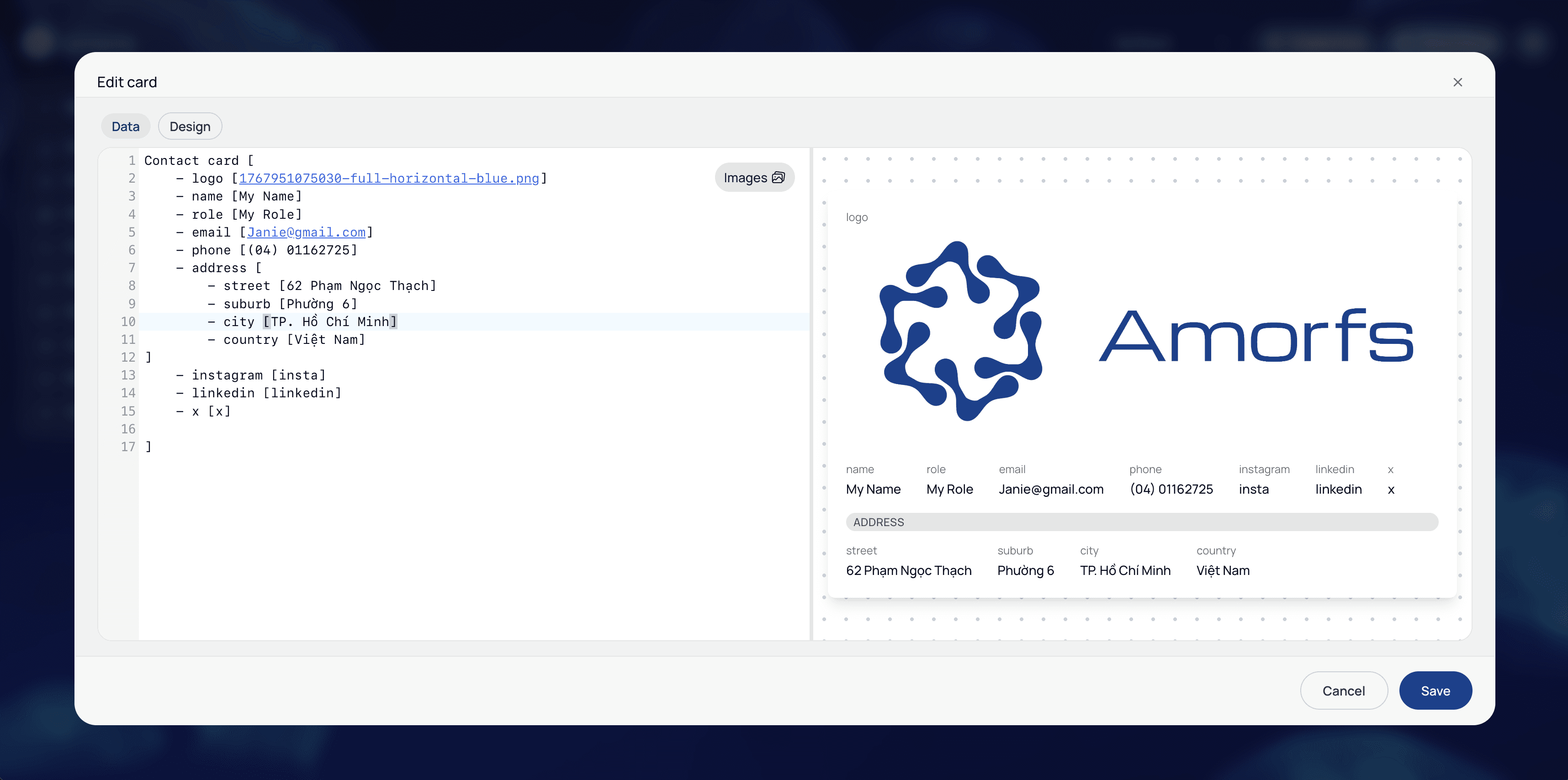
Cách Tạo Thẻ Mới trong Amorfs Studio
8 thg 1, 2026
[Hướng dẫn & Cách thực hiện]
Cách Tạo Thẻ Mới trong Amorfs Studio
8 thg 1, 2026
[Hướng dẫn & Cách thực hiện]
Cách Tạo Thẻ Mới trong Amorfs Studio
8 thg 1, 2026


SẢN PHẨM
Mở Rộng Amorfs
DIỄN ĐÀN
Bạn không muốn bỏ lỡ điều gì sao?
Nhận cập nhật hàng tuần về các bài viết, sự kiện và mẹo mới nhất ngay trong hộp thư của bạn.
" height="47.8243px" id="Fi98aqQOS" width="48.001px"/><path d="M 20.148 22.45 L 21.494 15.115 L 13.655 15.115 L 13.655 12.521 C 13.655 8.646 15.176 7.155 19.111 7.155 C 20.333 7.155 21.317 7.185 21.883 7.244 L 21.883 0.596 C 20.81 0.298 18.186 0 16.666 0 C 8.646 0 4.949 3.786 4.949 11.955 L 4.949 15.115 L 0 15.115 L 0 22.45 L 4.949 22.45 L 4.949 38.409 C 6.805 38.869 8.747 39.115 10.746 39.115 C 11.73 39.115 12.701 39.055 13.654 38.94 L 13.654 22.45 L 20.147 22.45 Z" fill="rgb(255, 255, 255)" height="39.11523px" id="o10gvlFLv" transform="translate(13.253 8.885)" width="21.883200000000002px"/></g></svg>)
SẢN PHẨM
Mở Rộng Amorfs
DIỄN ĐÀN
Bạn không muốn bỏ lỡ điều gì sao?
Nhận cập nhật hàng tuần về các bài viết, sự kiện và mẹo mới nhất ngay trong hộp thư của bạn.
SẢN PHẨM
Mở Rộng Amorfs
DIỄN ĐÀN
Bạn không muốn bỏ lỡ điều gì sao?
Nhận cập nhật hàng tuần về các bài viết, sự kiện và mẹo mới nhất ngay trong hộp thư của bạn.
SẢN PHẨM
Mở Rộng Amorfs
DIỄN ĐÀN
Bạn không muốn bỏ lỡ điều gì sao?
Nhận cập nhật hàng tuần về các bài viết, sự kiện và mẹo mới nhất ngay trong hộp thư của bạn.